
When Cannabis Deals Go Wrong, Part 3: Winning the Eviction and Still Losing the Asset in Cannabis Real Estate
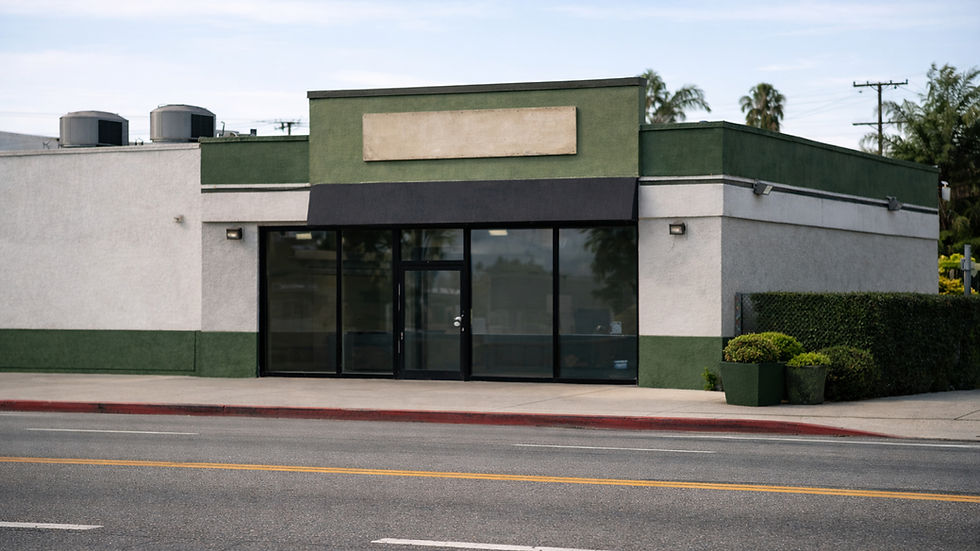
A Pyrrhic Victory: When “Winning” an Eviction Still Burns the Asset
Before we begin, a brief and important disclaimer: this article is not legal advice. It is practical, market-based insight drawn from real-world experience observing cannabis real estate and transaction failures over the past several years. Operators and landlords facing eviction or enforcement decisions should always consult qualified legal counsel for advice specific to their situation.
In cannabis real estate, eviction is often viewed as a decisive win. The tenant is removed. The court order is granted. Possession of the property returns to the landlord.
But many of these victories are Pyrrhic victories.
The term traces back to King Pyrrhus of Epirus, who won a series of battles against Rome at such devastating cost that his army was effectively destroyed. He famously remarked that one more such victory would ruin him. Pyrrhus won the war on paper, but lost everything that made the victory meaningful.
The same dynamic plays out in cannabis real estate. A landlord may win the unlawful detainer and still be left with unpaid rent, prolonged vacancy, stranded licensing, and an asset that is harder to monetize than before the dispute began. What remains is not a functioning property, but the ashes of a once-productive deal.
This is Part 3 of our “When Cannabis Deals Go Wrong” series, and it focuses on why enforcement success does not always translate into economic success.
If you missed the earlier installments, we recommend starting with:
When Cannabis Deals Go Wrong: What to Expect from an Unlawful Detainerhttps://www.pacgarden.com/post/when-cannabis-deals-go-wrong-what-to-expect-from-an-unlawful-detainer
Lease Restructuring After an Unlawful Detainer: When Staying Makes Sensehttps://www.pacgarden.com/post/lease-restructuring-after-an-unlawful-detainer
Why Winning the Eviction Can Still Be a Loss
The core misconception is simple: possession does not equal value in cannabis real estate.
Unlike traditional commercial properties, cannabis facilities are deeply intertwined with regulatory approvals, operational continuity, and licensing relationships that do not automatically reset when a tenant leaves.
After eviction, landlords often face:
Months of unpaid rent with limited recovery options
Personal guarantees that are legally enforceable but practically uncollectible
A highly specialized building with limited alternative uses
A vacant asset carrying insurance, security, and tax costs
A cannabis license that remains with the former tenant
In many cases, the landlord “wins” the case but inherits a far worse economic position.
The Personal Guarantee Illusion
Personal guarantees are frequently viewed as a safety net. In cannabis deals, they rarely function that way.
By the time a tenant is evicted:
Liquidity is often gone
Credit is impaired
Assets may already be encumbered or shielded
Litigation costs quickly outweigh recovery
Enforcing a personal guarantee can take years and still result in minimal collection. Meanwhile, the property continues to bleed cash.
This is why experienced landlords increasingly treat guarantees as secondary leverage, not primary protection.
Vacancy in Cannabis Is Not Normal Vacancy
Cannabis vacancy is fundamentally different from standard commercial vacancy.
A former dispensary or cultivation facility might be backfilled with a coffee shop, warehouse tenant, or office user - but removing fixtures can get expensive, cleanup can be messy, and the rent will be materially reset at the traditional, non-cannabis premium. Not to mention, another cannabis tenant may require concessions while getting re-permitted and state licensed.
Even within cannabis, replacement tenants face:
Local zoning and buffer restrictions
Moratoriums on new licenses
Conditional use permits tied to prior operators
State licensing timelines that can stretch months
Every month of vacancy compounds losses. And unlike conventional real estate, repositioning costs are often higher, not lower.
The License Problem Nobody Warns You About
Perhaps the most painful surprise for landlords is this: the cannabis license is not the real estate.
When a tenant is evicted, the license almost always stays with the operator and their entity, not the building -- although it is primarily "tied" to the location. Without a license, the property cannot generate cannabis rents.
Securing a new tenant often requires:
Local government approvals from scratch
Community engagement and hearings
State application cycles
Significant upfront capital from a replacement operator
In markets with limited or frozen licensing, this effectively strands the asset.
Why This Happens More Often Now
The current environment amplifies these risks.
Federal rescheduling momentum, as discussed in Trump Cannabis Rescheduling, has renewed optimism and deal activity: https://www.pacgarden.com/post/trump-cannabis-rescheduling
At the same time, competitive pressure from the illicit market continues to undercut licensed operators’ margins, as we outlined in: https://www.pacgarden.com/post/california-cannabis-industry-threats
When margins compress, rent can be the first casualty. Enforcement follows. And landlords discover too late that eviction solves the legal problem but not the economic one.
When Enforcement Makes Sense — and When It Doesn’t
Eviction is sometimes necessary. But it should be a last resort, not a reflex.
In many cases, landlords would be better served by:
Temporary rent restructures
Term extensions with revised economics
Performance-based rent resets
Structured exits that preserve license continuity
As we explored in Lease Restructuring After an Unlawful Detainer, negotiated solutions often preserve more value than enforcement.
How Sophisticated Landlords Avoid This Trap
Experienced cannabis real estate owners plan for failure scenarios before they occur.
That includes:
Modeling post-eviction vacancy costs
Understanding local licensing transferability
Structuring leases to encourage continuity
Aligning rent with realistic operator margins
Treating enforcement as a strategic, not emotional, decision
In cannabis, preserving the operating ecosystem often matters more than winning the dispute.
Conclusion: Enforcement Is Not the Same as Resolution
Winning the eviction may feel like closure. In cannabis real estate, it often marks the beginning of the hardest phase.
This is the central lesson of Part 3 of “When Cannabis Deals Go Wrong”: A landlord can win the case and still lose the premium on the asset.
Understanding when to enforce, when to restructure, and when to preserve continuity is the difference between protecting capital and destroying it.
FAQ
Q: What does “winning the eviction and still losing the asset” mean in cannabis real estate?
A: It means a landlord successfully removes a tenant but is left with unpaid rent, vacancy costs, and a property that cannot easily be re-licensed or re-tenanted for cannabis use.
Q: Why is cannabis vacancy more expensive than normal commercial vacancy?
A: Cannabis properties require regulatory approvals, specialized infrastructure, and licensed operators. Replacement tenants cannot simply move in without lengthy approvals.
Q: Does a personal guarantee protect cannabis landlords after eviction?
A: Often no. By the time eviction occurs, guarantors may lack liquidity or assets, making collection slow, costly, or ineffective.
Q: Why doesn’t the cannabis license stay with the building?
A: Cannabis licenses are issued to operators and their entities, not properties. When a tenant leaves, the license typically leaves with them.
Q: When does eviction make sense in cannabis real estate?
A: Eviction makes sense when restructuring is no longer viable and the long-term value of the asset is better protected by enforcement than continued occupancy.


Comments